 What kind of diet is most beneficial to me? Which exercise is right for me? Which lifestyle is suitable for me? How can I lead a happy, healthy, fulfilling life? All of the Answers Can Be Found In Constitutional Medicine
People are not created equally. Everyone’s organs differ in size as well as function. For example, some people might be sensitive to medicine because they have a weak liver. Some people have difficulty in digestion, and will develop food poisoning, while others will not. Some people have difficulty losing weight, while others have difficulty gaining weight. All of these examples are a direct result of an individual’s organ status—or, constitution. Constitution is determined by your organ size and that organ’s function. Constitution inherited from parents can never change. If we recognize our constitution and follow a proper course of diet and lifestyle based on that constitution, we could be free from many diseases through out our entire life. History of Constitutional Medicine Constitutional Medicine originated from traditional Chinese medicine theory. In 1800 Dr. Lee Jema developed the ‘SaSang’ theory, and in 1962, Dr. Kwon Dowon established the 8 Types of Constitution. It opened a new chapter in the field of traditional medicine.I, personally, believe that constitutional medicine will be a major part of integrative medicine. When a strong organ becomes too powerful it takes charge of the other organs making the weaker organs even weaker. Thus, the harmony of the body is broken and weakened organs become susceptible to the attack of disease. The reason each person has different reactions to different kinds of foods and/or medications is due to their body type. Not all foods and medicines are good for every ‘body’. Some work well for some people, while others may not work as well, and can even become harmful. Similar diseases or symptoms may have totally different causes according to one’s body type. Each body type requires a specific approach, diagnosis and treatment. Which Body Type Am I, Then? The correct diagnosis of constitution through examination and client feedback is critical. Even a specialist can make a mistake. After the proper diagnosis is given, and you adjust your diet and lifestyle as instructed, you will feel the difference in your body and mind. It will be the beginning of a healthier and happier ‘You’. Our clinic prescribes the proper food, exercise and lifestyle based on your constitution. Utilizing that information we are able to treat, correct and prevent.
2 Comments
 Chinese herbal medicine acupuncture are complimentary therapeutic modalities that are often used together in the treatment of a variety of medical conditions.
Over the past 5,000 years, Chinese Herbology has evolved into an art form of its own. Ancient herbal information was gathered, complied, formulated, tested, and handed down from generation to generation. Today, practitioners of Chinese medicine continue to prescribe herbal formulas because they are a powerful therapeutic method. A practitioner who makes use of herbs is familiar with most of the 1,800 herbs in the Chinese Pharmacopia. All of these herbs are classified according to their energetic qualities, functions, and the different organs, meridians, and disharmonies for which they address. Individual herbs are combined in order to enhance their actions and effects upon the body. When combined, a unique, synergistic formula is created. This combination increases the benefits of a particular formula, and minimizes any harmful side effects. In order to create the most effective formula, the herbs are used in different quantities and for different purposes. This allows the herbalist to create a formula aimed at addressing individual needs. Within each formula exists a specific hierarchy of herbs: 1) Chief Herb – This herb has the greatest effect upon the principle problem and is the most important ingredient. It is the energetic and therapeutic focus of the entire formula. 2) Deputy Herb – These herbs support the Chief herb in the treatment of the principle problem. Deputy herbs usually address secondary signs and symptoms. 3) Assistant Herb – The role of assistant herbs is to support, and reinforce the effects of other herbs. They also help moderate or eliminate any harsh properties of herbs within the formula. 4) Envoy Herbs – Envoy herbs harmonize, guide, and focus the action of the entire formula on certain meridians or areas of the body. Chinese herbal formulas combined this way offer specific synergistic actions and effects upon body and mind. The art and skill of creating a formula lies within choosing the precise and most effective herbs that target an individuals disharmony. It is important to work with a qualified herbalist who can prescribe the correct formula, monitor progress and adjust it as needed. Formulas can be prescribed in a number of ways: raw herbs that are boiled into a tea, liquid extracts, pills or powders. Chinese herbal medicine can be used to expedite the healing process, and strengthen, support or tonify the body. These formulas have the capacity to address the underlying root cause of various medical conditions, whether acute or chronic. When prescribed and used correctly, Chinese herbal formulas rarely cause unwarranted side-effects. Chinese herbal medicine is a safe, effective and drug-free way to become well and stay healthy, naturally! Menopausal Disorder,Weakness after disease : we recommend Chinese herb "Kyungokgo" According to DONG-UI-BO-GAM(Examples of Medical practice in Korea), one of the most authoritative sources of Korean traditional medical science, KYUNGOKGO is the first choice of prescription for those who seek after healthy, long life. Because of its pleasant flavor without side effect, this herbal medicine was widely consumed by families of the Joseon‘s ruling class including royal families. - Ingredients : White ginseng, Hoelen, Rehmannia root, Honey - Treats : Weak constitution, physical exhaustion, convalescent weakness, menopausal disorder - Dosage/Administration : Mix approximately 20g in warm water or medicinal spirits and take on an empty stomach in morning and evening. Herbal mixture treats skin problems; 'Kyungokgo' also restores water energy and sexual stamina If you have dry skin and your hands and your feet become easily chapped, you may have what Oriental medicine doctors (OMD) call “umhojung”’ a disease often accompanied by weak knees, thinning hair, muscle tension and improperly functioning tendons .According to Oriental medicine, this disease is caused by a lack of essential hormones in the body and by a deficiency of blood. The root of the problem lies in a dearth of “water” energy, one of the five elemental energies that make up the universe in Chinese philosophy. Like a tree without water, our body will slowly weaken when it is without water energy. The herbal mixture Koreans call “kyungokgo” is the perfect solution to this problem. It not only fortifies our body with the water energy it lacks: It also retards the aging process, strengthens bones and boosts the circulation of hormones. It is believed to help increase sexual stamina and restore one's virility. For those who have to concentrate all their energies on preparing for exams or tests, there is no better herbal medicine than this. It quickly and easily relieves fatigue and weakness, refreshing the mind and body. Kyungokgo is made from a mixture of three major herbs “sukjihwang”, “ ginseng” and “baek bokryung” and water. These ingredients are boiled at the lowest possible temperature for about a week, until they congeal into a thick paste. It is usually made in a very remote place, like a mountain, so nobody disturbs the process, which involves many hands and requires special care to insure its efficaciousness. This herbal remedy, best taken mixed with hot water as a tea, has been considered an excellent health restorative since ancient times. It was recommended especially for the elderly, many of who continually lack energy. In the Joseon period, KYUNGOKGO was regarded as very precious medicine so that it had to be made only after a devoted prayer service to goods of heaven and earth, and consumed by people of all ages and physical constitutions. BOHWA KYUNGOKGO is one of Wonkwang's major achievements in its 70years history traditional medical science. It is a remarkable product made by combining the knowledge lasting for over four hundred years with today' science methods. The “Tongui Bogam” the best known text on Oriental medicine, lists kyungokgo as a powerful remedy that strengthens the heart and spleen. Because it boasts so many restorative powers, the remedy is also believed to prolong one's life span. In today's fast paced world, most people tend to disregard the need for a proper diet and a moderate lifestyle and reflexively reach for medicine whenever an obvious, health endangering problem arises. But according to Oriental medicine, it is important that humans eat healthy foods, exercise regularly and take herbal medicine on a daily basis, as prevention is the best cure. 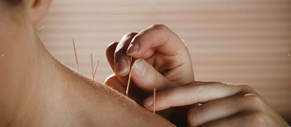 Q: CHI? WHAT IS IT? WHAT DOES IT DO ?One English translation of the word Chi means energy, and though Chi is invisible, its presence becomes especially apparent in the workings of the bodily organs and systems which require prodigious amounts of energy. Yet the Chinese view Chi not only as powering a function, they see it as inseparable from function as though there’s no Chi without function and no function without Chi. Chi is also known as the life force, and since the total absence of Chi is death, obviously one’s good health depends on a balanced distribution of Chi throughout the Meridian network that influences the organs as well as the bodily systems: skeletal, muscular, endocrine (glands) circulatory, digestive, respiratory, urinary reproductive, and nervous. When Chi flows smoothly and harmoniously throughout the meridians, each bodily system and organ interacts with and affects all the other systems and organs, which in turn are independent, interrelated, and integrated. Everything works together to make us feel whole and healthy, thanks to Chi.
Q: WHAT ARE THE MAIN OBJECTIVES OF ACUPUNCTURE TREATMENT ?#1- Relieve pain and other symptoms. #2- Strengthen the immune system. #3- Balance, harmonize, and integrate functions of the organs with each other, making for a unified, healthy person, rather than a collection Q: HOW MANY TREATMENTS AND HOW OFTEN ?Because each patient’s health problems and response to treatment are unique, the number and frequency of treatments vary. Typically, the recommendation is two to four treatments per week for eight to sixteen treatments, although some patients respond favorably after only one or two treatments. Some may not be improve until the eighth or ninth visit. Others may require two maximum results and sometimes, despite the Acupuncturist’s best effort and skill, the patient does not respond to treatment. In general, Acute conditions require less treatment than Chronic condition. Q: WHAT IS INVOLVED IN ACUPUNCTURE DIAGNOSIS ?From its ancient beginnings to this day, Acupuncture diagnostic procedures Center on finding blockages and imbalances of Chi. In examining meridians, today’s Acupuncturist may utilize electronic evaluation called Ryodoraku, or other electronic means, but many utilize traditional diagnostic methods. The following outline gives only a glimpse into some ancient diagnostic procedures which, at first, may seem strange to Western patients, although for untold centuries these procedures have proved reliable for Eastern patients. * Pulse Diagnosis An intricate expert evaluation of the pulses reveals excesses, deficiencies, disharmonies of Chi and what organs are involved. * Observation of the Patient Noting color and condition of the tongue, texture and condition of the skin, of the hair, of the voice its strength or weakness high or low pitch hoarse throaty. Answers here confirm many health issues. * Interrogation of the Patient Seeking a history of the illness, the patient’s feelings, lifestyle, diet. All of those, as well as emotional problems may contribute to Chi ‘s imbalance. * Physical Examination Feeling for tender Acupoints is a reliable diagnostic tool because certain Acupoints are related to specific areas and functions of the body, and tenderness may relate to a specific problem. Q: WHAT ARE NEEDLE TREATMENTS LIKE? ARE THEY PAINFUL ?Patients who have received inoculations or other Medical injections from a hypodermic needle are as painful. But such is not the case. Medical hypodermic needles are stiff, hollow, and thick for forcing liquid into the patient’s flesh, usually an uncomfortable, if not painful, procedure. Typically, acupuncture needles are fine and flexible, no bigger around than a human hair or piece of thread. Deftly inserted into an Acupoint by a skilled Acupuncturist, the slender needle produces little or no sensation at all. When the needle makes contact with Chi, the energy, most patients experience a slight tingling sensation. First-time patients are usually amazed at how comfortable they are during treatment. Q: WHAT HAPPENS WHEN THE FLOW OF CHI BECOMES BLOCKED ?Chi is meant to flow freely throughout the Meridian network carrying its balanced vital force to all the body’s parts, organs, and systems, thereby encouraging them to function with each other in a natural, harmonious way. That leads to sound health. But any sustained blockage or other disruption of Chi may bring on pain, a weakened immune system, and ill health. It’s important to realize that while such blockage causes diminished Chi in one organ or part, it may also cause excessive buildup of Chi in another area. That phenomenon can be understood by visualizing a Meridian carrying Chi as like a freeway carrying cars. On a freeway we know what happens when one or more lanes become blocked. Its a similar idea on a meridian. A blockage may cause a deficiency of Chi beyond the blockage and a buildup of Chi behind the blockage, which may mean diminished activity of some organs and accelerated activity of others. Either way, Chi is unbalanced, so it’s flow must be normalized through an Acupuncturist’s skilled and expert care. |
 RSS Feed