
Constitutional Medicine & 8 Constitution Therapy
What is Constitutional Medicine?
Every individual is born with a unique physiological and psychological makeup. Constitutional Medicine is an innovative and highly personalized branch of Oriental Medicine. Rather than applying a "one-size-fits-all" treatment, it identifies each person's unique internal imbalances to deliver truly customized healing.
History of Constitution Medicine
[Lee Je-ma (19th Century)]
Sasang Constitutional Medicine
- Based on 4 organ dynamics - Categorizes 4 core types
↓
[Dr. Dowon Kuen (20th Century)]
8 Constitution Medicine
- Expanded into 8 subtle organ profiles - Advanced pulse diagnosis & acupuncture
Treatment Principles & Benefits
"We do not just treat the disease; we restore balance to the person who has the disease."
In 8 Constitution Medicine, chronic illnesses and pain arise when naturally inherent organ imbalances become excessive or disrupted by poor diet, stress, or environment.
Key Benefits
Begin Your Healing Journey
Ready to discover your unique constitution? Schedule a personalized evaluation with us today and learn how custom constitutional acupuncture and regimen guidance can transform your health.
Every individual is born with a unique physiological and psychological makeup. Constitutional Medicine is an innovative and highly personalized branch of Oriental Medicine. Rather than applying a "one-size-fits-all" treatment, it identifies each person's unique internal imbalances to deliver truly customized healing.
History of Constitution Medicine
[Lee Je-ma (19th Century)]
Sasang Constitutional Medicine
- Based on 4 organ dynamics - Categorizes 4 core types
↓
[Dr. Dowon Kuen (20th Century)]
8 Constitution Medicine
- Expanded into 8 subtle organ profiles - Advanced pulse diagnosis & acupuncture
- Sasang Constitutional Medicine
Founded in the late 19th century by the Korean scholar Lee Je-ma, Sasang medicine established that individuals naturally inherit different relative strengths among five main internal organs (Liver, Heart, Spleen, Lungs, Kidneys). He categorized human constitutions into four core types: Taeyang, Taeum, Soyang, and Soeum. - 8 Constitution Medicine
In the mid-20th century, Dr. Dowon Kuen refined and expanded Sasang medicine. By studying the intricate combinations of organ strengths and autonomic nervous system traits, he established 8 distinct constitutional types (Hepatonia, Cholecystonia, Pancreatonia, Gastrotonia, Pulmotonia, Colonotonia, Renotonia, Vesicotonia). He also developed specialized Constitutional Acupuncture techniques and targeted dietary guidelines for each type.
Treatment Principles & Benefits
"We do not just treat the disease; we restore balance to the person who has the disease."
In 8 Constitution Medicine, chronic illnesses and pain arise when naturally inherent organ imbalances become excessive or disrupted by poor diet, stress, or environment.
- Constitutional Acupuncture: Precise needle protocols gently sedate overactive organ systems and stimulate weakened ones to restore internal harmony.
- Tailored Diet & Regimen: Food that acts as medicine for one person can act as a stressor to another. Aligning your diet with your constitutional type empowers your body's innate ability to heal.
Key Benefits
- Root-Cause Healing: Resolves the underlying constitutional imbalance rather than providing temporary symptom relief.
- Personalized Lifestyle Roadmap: Gives you a clear understanding of the exact foods, exercises, and habits best suited for your body.
- Minimized Side Effects: Prevents adverse reactions by avoiding herbs, foods, or treatments incompatible with your constitution.
Begin Your Healing Journey
Ready to discover your unique constitution? Schedule a personalized evaluation with us today and learn how custom constitutional acupuncture and regimen guidance can transform your health.
Eight different at a glance
"Individual constitution can be categorized into 8 different patterns as listed below, based upon the relationship between the organs. One should know one's own unique constitutional physiology as well as general physiology, in order to live a healthy life."
Hepatonia(Wood-A) Strong Liver / Weak Lungs. Feels healthier after sweating freely.
Favorable: Beef, root vegetables, warm baths Avoid: Seafood, raw leafy greens
Liver > Kidney > Heart > Pancreas > Lung
Cholecystonia(Wood-B) Strong Gallbladder / Weak Colon. Tends to have a sensitive digestive tract.
Favorable: Beef, rice, root vegetables Avoid: Ocean fish, seaweeds, cold foods
Gall Bladder > Small Intestine > Stomach > Bladder > Large Intestine
Pancreotonia(Earth-A) Strong Pancreas/Stomach / Weak Kidneys. Energetic with higher internal heat.
Favorable: Pork, barley, cooling foods Avoid: Chicken, ginseng, spicy foods
Pancreas > Heart > Liver > Lung > Kidney
Gastrotonia(Earth-B) Very Strong Stomach / Weak Bladder/Kidneys. A rare constitutional type.
Favorable: Fresh vegetables, seafood, ocean fish Avoid: Chicken, ginseng, unnecessary medications
Stomach > Large Intestine > Small Intestine > Gall Bladder > Bladder
Pulmotonia(Metal-A) Strong Lungs / Weak Liver. Highly creative with sensitivity to medications/foods.
Favorable: Leafy green vegetables, ocean fish, rice Avoid: Red meat, artificial additives, medication
Lung > Pancreas > Heart > Kidney > Liver
Colonotonia(Metal-B) Strong Colon/Lungs / Weak Gallbladder/Liver. Possesses strong intuition.
Favorable: Leafy greens, seafood, buckwheat Avoid: All red meats, dairy, garlic
Large Intestine > Bladder > Stomach > Small Intestine > Gall Bladder
Renotonia(Water-A) Strong Kidneys / Weak Pancreas/Stomach. Calm, meticulous, and be organized.
Favorable: Chicken, ginseng, warm-natured foods Avoid: Pork, cold beverages, iced foods
Kidney > Lung > Liver > Heart > Pancreas
Vesicotonia(Water-B) Strong Bladder/Kidneys / Very Weak Stomach. Digestive care is essential.
Favorable: Warm foods, chicken, smaller meals Avoid: Cold foods/drinks, pork, overeating
Bladder > Gall Bladder > Small Intestine > Large Intestine > Stomach
Hepatonia(Wood-A) Strong Liver / Weak Lungs. Feels healthier after sweating freely.
Favorable: Beef, root vegetables, warm baths Avoid: Seafood, raw leafy greens
Liver > Kidney > Heart > Pancreas > Lung
Cholecystonia(Wood-B) Strong Gallbladder / Weak Colon. Tends to have a sensitive digestive tract.
Favorable: Beef, rice, root vegetables Avoid: Ocean fish, seaweeds, cold foods
Gall Bladder > Small Intestine > Stomach > Bladder > Large Intestine
Pancreotonia(Earth-A) Strong Pancreas/Stomach / Weak Kidneys. Energetic with higher internal heat.
Favorable: Pork, barley, cooling foods Avoid: Chicken, ginseng, spicy foods
Pancreas > Heart > Liver > Lung > Kidney
Gastrotonia(Earth-B) Very Strong Stomach / Weak Bladder/Kidneys. A rare constitutional type.
Favorable: Fresh vegetables, seafood, ocean fish Avoid: Chicken, ginseng, unnecessary medications
Stomach > Large Intestine > Small Intestine > Gall Bladder > Bladder
Pulmotonia(Metal-A) Strong Lungs / Weak Liver. Highly creative with sensitivity to medications/foods.
Favorable: Leafy green vegetables, ocean fish, rice Avoid: Red meat, artificial additives, medication
Lung > Pancreas > Heart > Kidney > Liver
Colonotonia(Metal-B) Strong Colon/Lungs / Weak Gallbladder/Liver. Possesses strong intuition.
Favorable: Leafy greens, seafood, buckwheat Avoid: All red meats, dairy, garlic
Large Intestine > Bladder > Stomach > Small Intestine > Gall Bladder
Renotonia(Water-A) Strong Kidneys / Weak Pancreas/Stomach. Calm, meticulous, and be organized.
Favorable: Chicken, ginseng, warm-natured foods Avoid: Pork, cold beverages, iced foods
Kidney > Lung > Liver > Heart > Pancreas
Vesicotonia(Water-B) Strong Bladder/Kidneys / Very Weak Stomach. Digestive care is essential.
Favorable: Warm foods, chicken, smaller meals Avoid: Cold foods/drinks, pork, overeating
Bladder > Gall Bladder > Small Intestine > Large Intestine > Stomach
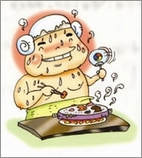
Hepatonia is characterized by its strong liver (gall bladder) and weak lungs (large intestine). This constitution also is recognized for having a considerably strong kidney (bladder) and relatively weak pancreas (stomach).
Hepatonias are usually quiet and reserved. Because they tend to be realistic and skilled in determining situations, they usually maintain a large network of relationships. Hepatonias are also likely to be overly ambitious about achieving results rather than appreciating the process of working, which can potentially lead to unsuccessful outcomes.
A meat diet will cause this individual to sweat more frequently and fall asleep easily; however, easy sleep and frequent sweat are signs of good health for a Hepatonia. Activities that cause sweating, such as sports and sauna, will help relax the naturally-excited liver and permit good health.
Naturally high blood pressure is common for a Hepatonia; therefore, he or she must be cautious when taking medication for high blood pressure. Hepatonia patients with lower abdominal indigestion, arthritis, skin diseases, depression, or high cholesterol, are encouraged to avoid seafood and increase meat intake. Drinking wine is harmful to a Hepatonia as well.
<Beneficial Regimen>
All kinds of meats, fresh water fishes, nuts root vegetables, rice, flour, soybeans, pumpkins, garlic, mushrooms, apples, pears, watermelon, coffee, milk, Vitamins A;B;C;D, alkaline beverages, aspirin, hot bath, mountain hiking
<Harmful Regimen>
All kinds of ocean fishes, shell fishes, green leafy vegetables, raw cabbages, buckwheat, red bean, green beans, cucumber, eggplant, banana, strawberry, peach cherry, green grapes, persimmon, Vitamin E, cocoa/dark chocolate, ice, swimming
Hepatonias are usually quiet and reserved. Because they tend to be realistic and skilled in determining situations, they usually maintain a large network of relationships. Hepatonias are also likely to be overly ambitious about achieving results rather than appreciating the process of working, which can potentially lead to unsuccessful outcomes.
A meat diet will cause this individual to sweat more frequently and fall asleep easily; however, easy sleep and frequent sweat are signs of good health for a Hepatonia. Activities that cause sweating, such as sports and sauna, will help relax the naturally-excited liver and permit good health.
Naturally high blood pressure is common for a Hepatonia; therefore, he or she must be cautious when taking medication for high blood pressure. Hepatonia patients with lower abdominal indigestion, arthritis, skin diseases, depression, or high cholesterol, are encouraged to avoid seafood and increase meat intake. Drinking wine is harmful to a Hepatonia as well.
<Beneficial Regimen>
All kinds of meats, fresh water fishes, nuts root vegetables, rice, flour, soybeans, pumpkins, garlic, mushrooms, apples, pears, watermelon, coffee, milk, Vitamins A;B;C;D, alkaline beverages, aspirin, hot bath, mountain hiking
<Harmful Regimen>
All kinds of ocean fishes, shell fishes, green leafy vegetables, raw cabbages, buckwheat, red bean, green beans, cucumber, eggplant, banana, strawberry, peach cherry, green grapes, persimmon, Vitamin E, cocoa/dark chocolate, ice, swimming

Cholecystonia is characterized by its strong gall bladder (liver) and weak large intestine (lung). This constitution also is recognized for having a considerably strong small intestine (heart) and a relatively weak bladder (kidney).
Cholecystonias are often simple, quick in making decisions, and adaptable. They are naturally charitable and sociable, which enables them to maintain a large network of relationships and to easily adapt to various social environments. Their natural athleticism and developed muscles, especially enhanced with a meat diet, permit these individuals to be excellent athletes. When healthy, Cholecystonias require plenty of sleep.
Frequent bowel movement and discomfort in the lower abdomen is common for Cholecystonias who consume seafood often because seafood further suppresses an already weak large intestine and stimulate naturally-excited gall bladder and liver, causing illness. Consumption of seafood may also cause arthritis, skin problems, high cholesterol, and obesity. When ill, Cholecystonias tend to lose their charitable nature, grow negative and anxious, which can eventually cause insomnia or depression.
<Beneficial Regimen>
All kinds of meat rice, beans, wheat flour, Indian millet, tofu, squash, radishes, lotus root, peas, celery, mushrooms, garlic, chestnut, walnut, pears, watermelon, milk, sugar, and Vitamins A,B,C,D,E
<Harmful Regimen>
All kinds of shell fish, mackerel, squid, nappa cabbage, mint, curly flower, broccoli, eggplant, avocado, peaches, cherries, grapes, grapefruit, mango, lemons, limes, coconut, ginseng, chocolate, wine, liquor, IV Glucose
Cholecystonias are often simple, quick in making decisions, and adaptable. They are naturally charitable and sociable, which enables them to maintain a large network of relationships and to easily adapt to various social environments. Their natural athleticism and developed muscles, especially enhanced with a meat diet, permit these individuals to be excellent athletes. When healthy, Cholecystonias require plenty of sleep.
Frequent bowel movement and discomfort in the lower abdomen is common for Cholecystonias who consume seafood often because seafood further suppresses an already weak large intestine and stimulate naturally-excited gall bladder and liver, causing illness. Consumption of seafood may also cause arthritis, skin problems, high cholesterol, and obesity. When ill, Cholecystonias tend to lose their charitable nature, grow negative and anxious, which can eventually cause insomnia or depression.
<Beneficial Regimen>
All kinds of meat rice, beans, wheat flour, Indian millet, tofu, squash, radishes, lotus root, peas, celery, mushrooms, garlic, chestnut, walnut, pears, watermelon, milk, sugar, and Vitamins A,B,C,D,E
<Harmful Regimen>
All kinds of shell fish, mackerel, squid, nappa cabbage, mint, curly flower, broccoli, eggplant, avocado, peaches, cherries, grapes, grapefruit, mango, lemons, limes, coconut, ginseng, chocolate, wine, liquor, IV Glucose

Pulmotonia is recognized for its superior lung (large intestine) and inferior liver (gall bladder). This constitution also has a relatively strong pancreas (stomach) and considerably weak kidney (bladder).
Pulmotonias’ natural creativity and careful discretion makes them perfectionists and unlikely to make mistakes. Because they are principled, they are known to be fairly consistent and professional. Their acute sense of hearing gives them great potential in pursuing music. Having a tendency to be overly sensitive and unrealistic idealists, they rarely maintain a large circle of friends but keep meaningful relationships with a few.
Meat oriented diets and unnecessary medication will harm the weak liver even further and cause Pulmotonias to develop not only all kinds of illnesses but also negative and passive attitudes. Pulmotonias usually do not enjoy sports because they often feel weak after perspiring.
<Beneficial Regimen>
All kinds of ocean fishes, shell fishes, green leafy vegetables, rice, barley, buckwheat, red bean, green beans, cucumber, eggplant, banana, strawberry, peach, cherry, persimmon, Vitamin E, cocoa/dark chocolate, ice, swimming, walking
<Harmful Regimen>
All kinds of meats, fresh water fishes, nuts, root vegetables, flour, pumpkins, peppers, garlic, mushrooms, apples, pears, melons, coffee, sugar, MSG, soft drinks, ginseng, Vitamins A,B,C,D, aspirin, alkaline beverages, hot bath, mountain hiking
Pulmotonias’ natural creativity and careful discretion makes them perfectionists and unlikely to make mistakes. Because they are principled, they are known to be fairly consistent and professional. Their acute sense of hearing gives them great potential in pursuing music. Having a tendency to be overly sensitive and unrealistic idealists, they rarely maintain a large circle of friends but keep meaningful relationships with a few.
Meat oriented diets and unnecessary medication will harm the weak liver even further and cause Pulmotonias to develop not only all kinds of illnesses but also negative and passive attitudes. Pulmotonias usually do not enjoy sports because they often feel weak after perspiring.
<Beneficial Regimen>
All kinds of ocean fishes, shell fishes, green leafy vegetables, rice, barley, buckwheat, red bean, green beans, cucumber, eggplant, banana, strawberry, peach, cherry, persimmon, Vitamin E, cocoa/dark chocolate, ice, swimming, walking
<Harmful Regimen>
All kinds of meats, fresh water fishes, nuts, root vegetables, flour, pumpkins, peppers, garlic, mushrooms, apples, pears, melons, coffee, sugar, MSG, soft drinks, ginseng, Vitamins A,B,C,D, aspirin, alkaline beverages, hot bath, mountain hiking

Colonotonia is characterized by a superior large intestine (lung) and inferior gall bladder (liver). This constitution is also recognized for a considerably strong bladder (kidney) and relatively weak small intestine (heart).
Colonotonias tend to be cheerful, adventurous, emotional and sensitive. Their careful discretion and consistent nature permits them to have many different talents and expertise. Their acute hearing gives them great potential in pursuing music. They also tend to have good friendships with various types of people. Colonotonias tend to be negative, passive, stubborn and suspicious when they are unhealthy as a result of consuming inappropriate diets.
Consumption of meat and medication will not only cause chronic fatigue, indigestion, kidney failure, lupus, but will cause various types of intractable muscle disease like multiple sclerosis, Parkinson’s disease, etc. Excessive perspiration may also cause Colonotonias to be easily fatigued.
<Beneficial Regimen>
All kinds of ocean fishes, crab, clam, green leafy vegetables, cucumber, mustard, ginger, black pepper, rice, buckwheat, red bean, green beans, seaweed, strawberry, peach, cherry, persimmon, grapes, cocoa/dark chocolate, swimming, walking
<Harmful Regimen>
All kinds of meats, fresh water fishes, nuts, root vegetables, flour, pumpkins, garlic, mushrooms, black grapes, apples, pears, melons, coffee, sugar, MSG, soft drinks, ginseng, Vitamins A;C;D;E, aspirin, alkaline beverages, hot bath, mountain hiking
Colonotonias tend to be cheerful, adventurous, emotional and sensitive. Their careful discretion and consistent nature permits them to have many different talents and expertise. Their acute hearing gives them great potential in pursuing music. They also tend to have good friendships with various types of people. Colonotonias tend to be negative, passive, stubborn and suspicious when they are unhealthy as a result of consuming inappropriate diets.
Consumption of meat and medication will not only cause chronic fatigue, indigestion, kidney failure, lupus, but will cause various types of intractable muscle disease like multiple sclerosis, Parkinson’s disease, etc. Excessive perspiration may also cause Colonotonias to be easily fatigued.
<Beneficial Regimen>
All kinds of ocean fishes, crab, clam, green leafy vegetables, cucumber, mustard, ginger, black pepper, rice, buckwheat, red bean, green beans, seaweed, strawberry, peach, cherry, persimmon, grapes, cocoa/dark chocolate, swimming, walking
<Harmful Regimen>
All kinds of meats, fresh water fishes, nuts, root vegetables, flour, pumpkins, garlic, mushrooms, black grapes, apples, pears, melons, coffee, sugar, MSG, soft drinks, ginseng, Vitamins A;C;D;E, aspirin, alkaline beverages, hot bath, mountain hiking

Pancreotonia is characterized by a superior pancreas (stomach) and inferior kidney (bladder). This constitution is also recognized for its considerably strong heart (small intestine) and relatively weak lungs (large intestine).
Pancreotonias are usually restless, proactive, and sensible. Because they are naturally positive and passionate, they often achieve good outcomes quickly. They have exceptional sense of color, which also gives them great potential in pursuing fine arts and fashion. Pancreotonias are socially active, straightforward, positive, and possess a strong sense of justice. However, they tend to be impatient, relatively prone to misspeaking, offended and upset easily but overcome such emotions quickly.
Because of their strong pancreas and stomach, Pancreotonias have a hearty appetite and may have a hard time restraining their hunger. If they consume spicy foods, chicken, apples, and herbal medicine, they will add heat to their strong pancreas, which will make controlling their appetite more difficult. Consumption of such foods may also cause them to be more susceptible to diabetes, and grow more impatient.
<Beneficial Regimen>
Pork, beef, oyster, shrimp, lobster, crab, eel, egg, barley, rice, flour, soybean, red bean, cabbage, radish, cucumber, carrot, persimmon, pear, melons, watermelon, strawberry, banana, ice, aloe vera, mushrooms, Vitamin E, hot bath
<Harmful Regimen>
Chicken, lamb, brown rice, sweet rice, potato, sesame oil, seaweed, hot pepper, curry, ginger, green onion, apple, orange, tangerine, mango, tomato, ginseng, bee honey, date, digestive aide, Vitamin B group, cold bath, swimming
Pancreotonias are usually restless, proactive, and sensible. Because they are naturally positive and passionate, they often achieve good outcomes quickly. They have exceptional sense of color, which also gives them great potential in pursuing fine arts and fashion. Pancreotonias are socially active, straightforward, positive, and possess a strong sense of justice. However, they tend to be impatient, relatively prone to misspeaking, offended and upset easily but overcome such emotions quickly.
Because of their strong pancreas and stomach, Pancreotonias have a hearty appetite and may have a hard time restraining their hunger. If they consume spicy foods, chicken, apples, and herbal medicine, they will add heat to their strong pancreas, which will make controlling their appetite more difficult. Consumption of such foods may also cause them to be more susceptible to diabetes, and grow more impatient.
<Beneficial Regimen>
Pork, beef, oyster, shrimp, lobster, crab, eel, egg, barley, rice, flour, soybean, red bean, cabbage, radish, cucumber, carrot, persimmon, pear, melons, watermelon, strawberry, banana, ice, aloe vera, mushrooms, Vitamin E, hot bath
<Harmful Regimen>
Chicken, lamb, brown rice, sweet rice, potato, sesame oil, seaweed, hot pepper, curry, ginger, green onion, apple, orange, tangerine, mango, tomato, ginseng, bee honey, date, digestive aide, Vitamin B group, cold bath, swimming

Gastrotonia is characterized by its superior stomach (pancreas) and inferior bladder (kidney). This constitution is also recognized for its relatively strong large intestine (lung) and relatively weak gall bladder (liver).
Gastrotonias are difficult to meet because they are rare.
Gastrotonias tend to be honest, active, positive and meticulous. Because they are sensible and responsible, they are conscientious and devoted workers. Their efficient and accurate sense of vision gives them a good sense for aesthetics. Although they appear generous, they tend to be straightforward and strict with others. Because of their tendency to be impatient and sensitive, they are not particularly social.
Gastrotonias’ strong and tense stomach often causes indigestion. Their digestive problems are often accompanied by chronic headaches and pain throughout the body. Herbal medicine and antibiotics can cause severe side effects for this constitution. Spicy foods, chicken, apples, and herbal medicine not only cause digestive problems, but can also result in anxiety disorder and malfunction of autonomic nervous system.
<Beneficial Regimen>
Oyster, shrimp, crab, beef, pork, rice, barley, oats, red beans, cactus, peas, nappa, cucumber, broccoli, eggplant, persimmon, avocado, pears, melons, pineapple, grapes, strawberries, banana, hot bath
<Harmful Regimen>
Chicken, goat, potatoes, curry, all onions, ginger, squash, seaweed, blackpepper, mustard, cinnamon, lemons, limes, grapefruit, tangerines, apples, oranges, mango, ginseng, honey, Vitamins A,B,D, penicillin, cigarettes, liquor, swimming
Gastrotonias are difficult to meet because they are rare.
Gastrotonias tend to be honest, active, positive and meticulous. Because they are sensible and responsible, they are conscientious and devoted workers. Their efficient and accurate sense of vision gives them a good sense for aesthetics. Although they appear generous, they tend to be straightforward and strict with others. Because of their tendency to be impatient and sensitive, they are not particularly social.
Gastrotonias’ strong and tense stomach often causes indigestion. Their digestive problems are often accompanied by chronic headaches and pain throughout the body. Herbal medicine and antibiotics can cause severe side effects for this constitution. Spicy foods, chicken, apples, and herbal medicine not only cause digestive problems, but can also result in anxiety disorder and malfunction of autonomic nervous system.
<Beneficial Regimen>
Oyster, shrimp, crab, beef, pork, rice, barley, oats, red beans, cactus, peas, nappa, cucumber, broccoli, eggplant, persimmon, avocado, pears, melons, pineapple, grapes, strawberries, banana, hot bath
<Harmful Regimen>
Chicken, goat, potatoes, curry, all onions, ginger, squash, seaweed, blackpepper, mustard, cinnamon, lemons, limes, grapefruit, tangerines, apples, oranges, mango, ginseng, honey, Vitamins A,B,D, penicillin, cigarettes, liquor, swimming

Renotonia is characterized for its superior kidney (bladder) and inferior pancreas (stomach). This constitution is also recognized for a relatively strong lung (large intestine) and considerably weak heart (small intestine).
Renotonias are composed, patient, and cooperative. They also have a tendency to be perfectionists. They are good listeners, who can patiently hear the thoughts and concerns of others, and they rarely express anger. Renotonias have social skills, which allow them to perform profoundly in service-related fields. They have detail-oriented and suspicious personalities, which cause them to keep things to themselves and not trust others well.
Renotonias often have complaints about chronic constipation but it will never develop into a severe illness. When healthy, Renotonias will not sweat; however, they will frequently perspire when unhealthy. Therefore, they can easily catch illnesses during the hot summers and feel healthier during fall and winter seasons. Consuming cold foods or drinks often causes digestive problems.
<Beneficial Regimen>
Chicken, beef, potatoes, corn, peas, squash, sesame seed or oil, seaweed, curry, mustard, black pepper, cinnamon, lettuce, radishes, green onion, ginger, garlic, curly flower, tomatoes, tangerines, oranges, apples, mango, peaches, lemons, limes, grapefruit, honey, ginseng, Vitamin B, swimming
<Harmful Regimen>
Pork, oysters, crab, shrimp, barley, wheat, flour, nuts, red beans, egg white, oats, mint, cucumbers, cactus, persimmons, coconut, avocado, melon, banana, mushrooms, broccoli, eggplant, celery, beer, ice, Vitamins A,D,E, sauna
Renotonias are composed, patient, and cooperative. They also have a tendency to be perfectionists. They are good listeners, who can patiently hear the thoughts and concerns of others, and they rarely express anger. Renotonias have social skills, which allow them to perform profoundly in service-related fields. They have detail-oriented and suspicious personalities, which cause them to keep things to themselves and not trust others well.
Renotonias often have complaints about chronic constipation but it will never develop into a severe illness. When healthy, Renotonias will not sweat; however, they will frequently perspire when unhealthy. Therefore, they can easily catch illnesses during the hot summers and feel healthier during fall and winter seasons. Consuming cold foods or drinks often causes digestive problems.
<Beneficial Regimen>
Chicken, beef, potatoes, corn, peas, squash, sesame seed or oil, seaweed, curry, mustard, black pepper, cinnamon, lettuce, radishes, green onion, ginger, garlic, curly flower, tomatoes, tangerines, oranges, apples, mango, peaches, lemons, limes, grapefruit, honey, ginseng, Vitamin B, swimming
<Harmful Regimen>
Pork, oysters, crab, shrimp, barley, wheat, flour, nuts, red beans, egg white, oats, mint, cucumbers, cactus, persimmons, coconut, avocado, melon, banana, mushrooms, broccoli, eggplant, celery, beer, ice, Vitamins A,D,E, sauna
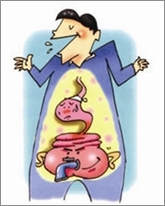
Vesicotonia is characterized by its superior bladder (kidney) and inferior stomach (pancreas). This constitution is also recognized for having a relatively strong gall bladder and considerably weak large intestine (lung).
Vesicotonias are gentle, collected, cool, and realistic. Because they are reserved and patient, they are good listeners. Thus, Vesicotonias tend to be profound candidates for work, which requires patience, few mistakes, attentiveness to detail, and sensitivity. When ill, they can grow greedy, negative, cold, stubborn, suspicious and close-minded easily.
Consumption of cold foods or drinks will further weaken the naturally weak stomach, causing diseases that are difficult to treat. During summers, when cold food is often preferred, Vesicotonias tend to be prone to illnesses; warm foods and beverages, light eating throughout the day, and infrequent perspiration will permit good health.
<Beneficial Regimen>
Chicken, goat, sesame seed or oil, potatoes, corn, spinach, radishes, ginger, green onions, corn, garlic, squash, mustard, black pepper, cinnamon, curry, tomatoes, lemons, limes, grapefruit, apples, mango, tangerines, honey, ginseng, Vitamins A;B;C;D, and acidic drinks, cold bath
<Harmful Regimen>
Oysters, clams, shrimp, crab, pork, all kinds of cold food, nuts, oats, red beans, egg white, cucumber, cactus, mint, peas, broccoli, mushrooms, curly flower, celery, eggplant, melon, banana, starwberry, coconut, avocado, beer, ice, liquor, Vitamin E, and sauna
Vesicotonias are gentle, collected, cool, and realistic. Because they are reserved and patient, they are good listeners. Thus, Vesicotonias tend to be profound candidates for work, which requires patience, few mistakes, attentiveness to detail, and sensitivity. When ill, they can grow greedy, negative, cold, stubborn, suspicious and close-minded easily.
Consumption of cold foods or drinks will further weaken the naturally weak stomach, causing diseases that are difficult to treat. During summers, when cold food is often preferred, Vesicotonias tend to be prone to illnesses; warm foods and beverages, light eating throughout the day, and infrequent perspiration will permit good health.
<Beneficial Regimen>
Chicken, goat, sesame seed or oil, potatoes, corn, spinach, radishes, ginger, green onions, corn, garlic, squash, mustard, black pepper, cinnamon, curry, tomatoes, lemons, limes, grapefruit, apples, mango, tangerines, honey, ginseng, Vitamins A;B;C;D, and acidic drinks, cold bath
<Harmful Regimen>
Oysters, clams, shrimp, crab, pork, all kinds of cold food, nuts, oats, red beans, egg white, cucumber, cactus, mint, peas, broccoli, mushrooms, curly flower, celery, eggplant, melon, banana, starwberry, coconut, avocado, beer, ice, liquor, Vitamin E, and sauna